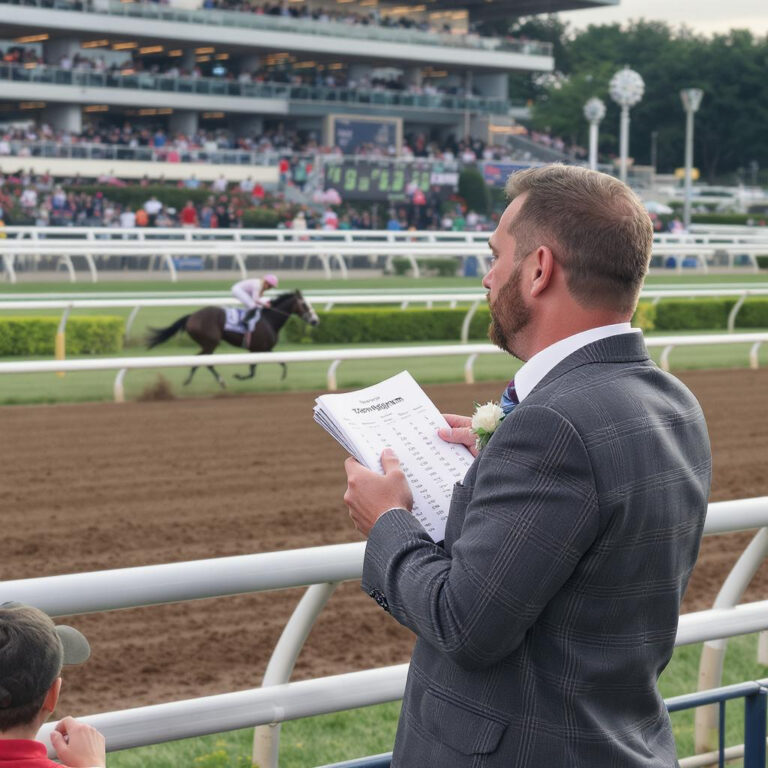
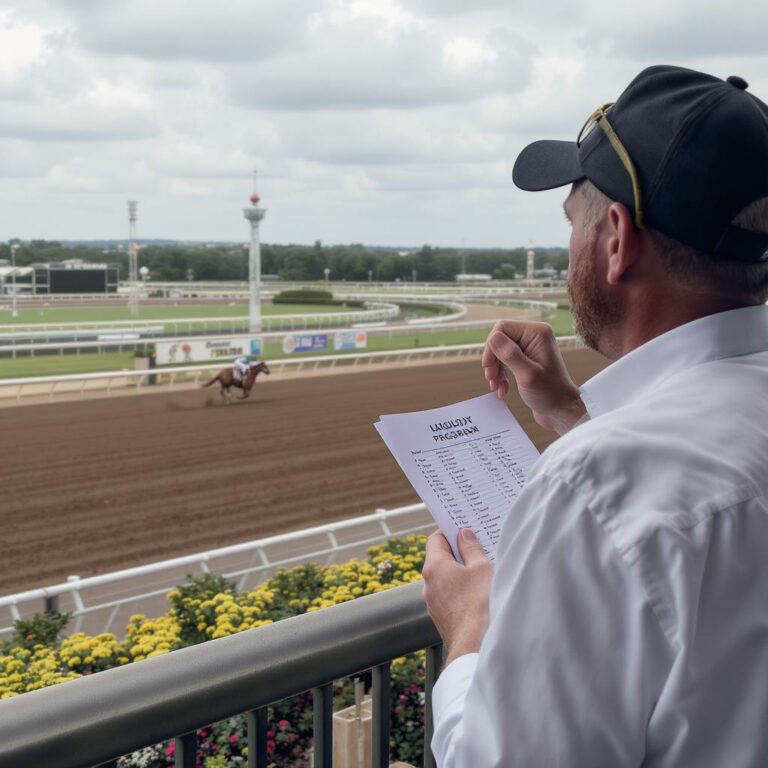
Trip handicapping is the process of identifying horses that face difficulties during a race, affecting their final position. These incidents may not be reflected in the Past Performance statistics and can only be identified by watching the race.
Race information includes the track, date, time, wagers, etc. The elongated oval box is colored according to the track surface type. It includes the type of race, length, and race conditions. If the oval is green it was a turf race, if brown a dirt race, if blue a synthetic race.
Current form refers to the horse’s physical condition. Class is the level of competition at which he has raced effectively. Speed is how fast the horse has run. Pace is the rate of speed at which the horse is most comfortable.
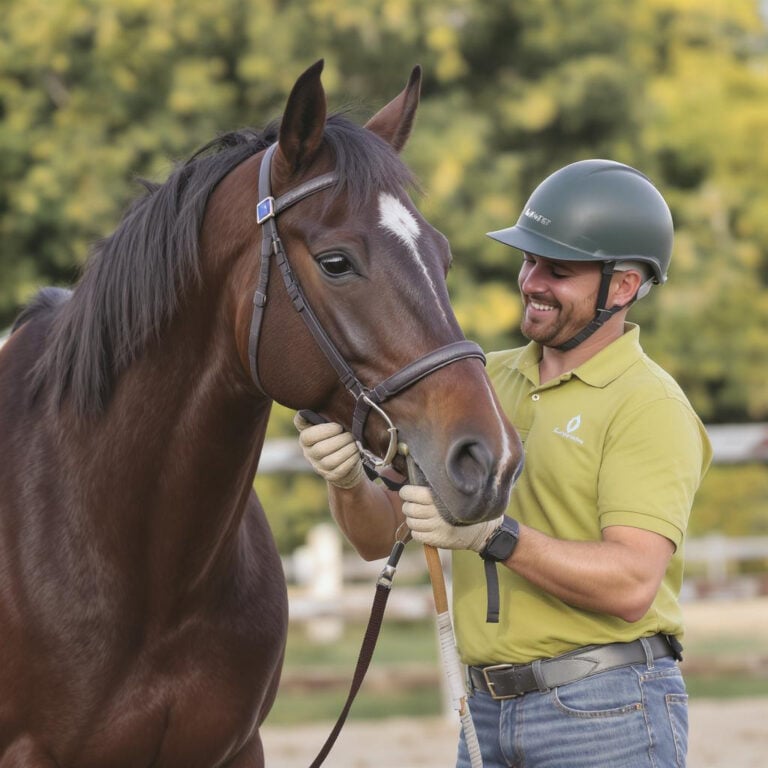
Horse racing is a structured, scheduled event. The horse must be able to run on command and perform at their best at all times. Since they are not born with this instinct, they must be trained.
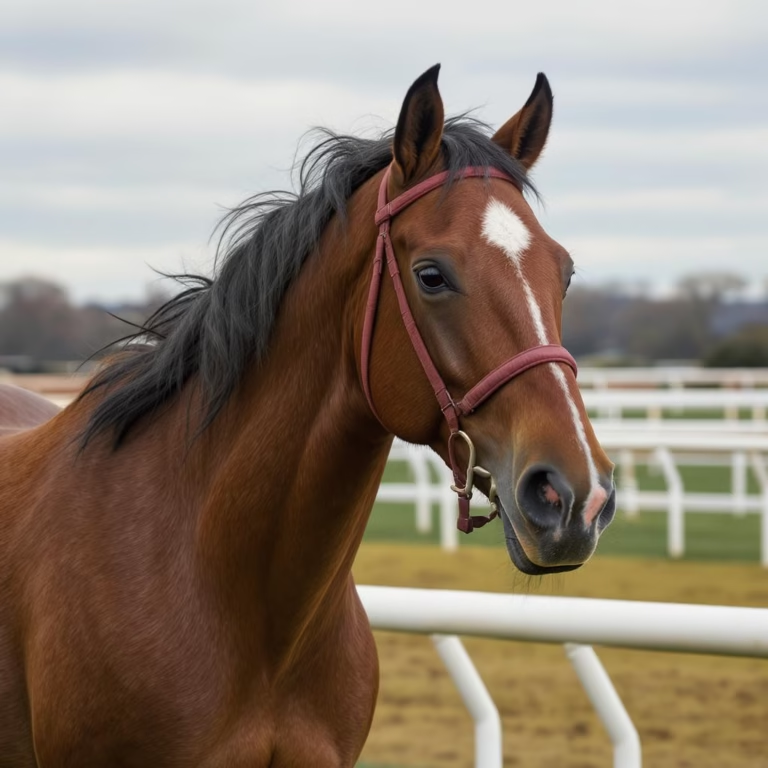
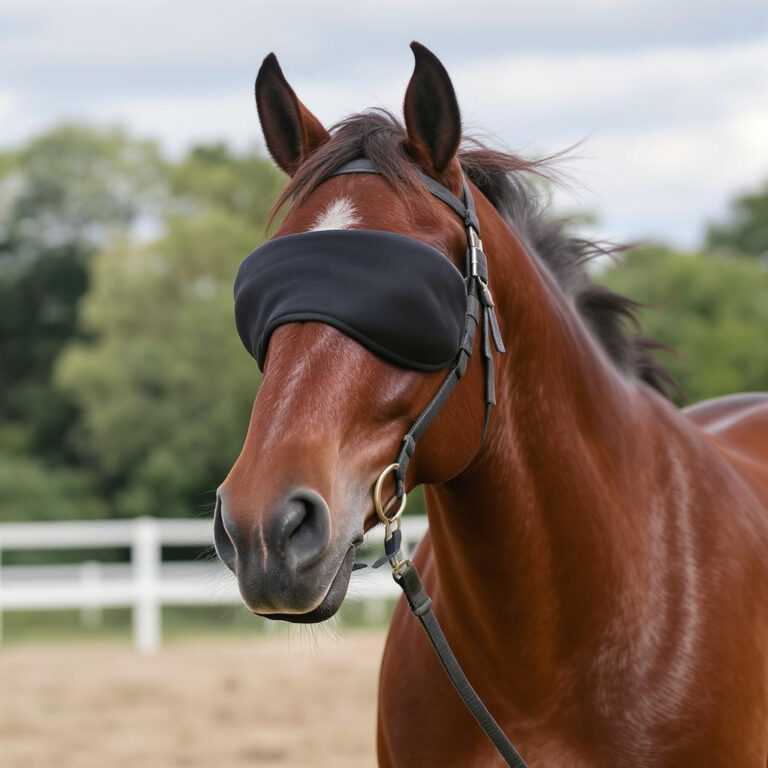
Equipment changes indicate something has changed with the horse's behavior, technique, or health. It's important to keep an eye on any change of equipment for the racehorse, and attempt to gauge the reasoning behind the change.
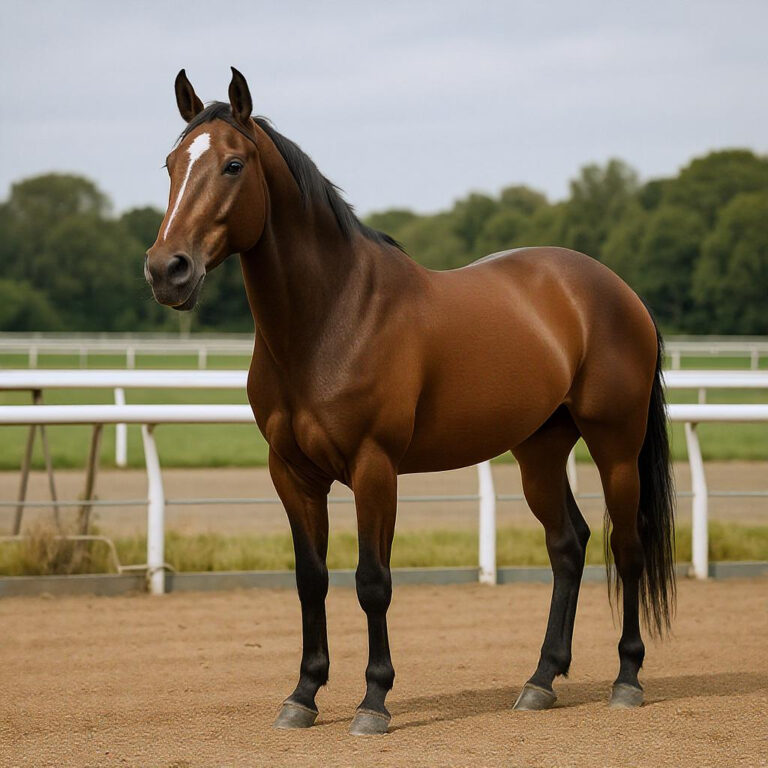
If you can position yourself to watch the horses approach the paddock, look for those that seem eager. These horses will generally have a spring in their step without struggling against their handler, and won't be wasting energy jumping around.