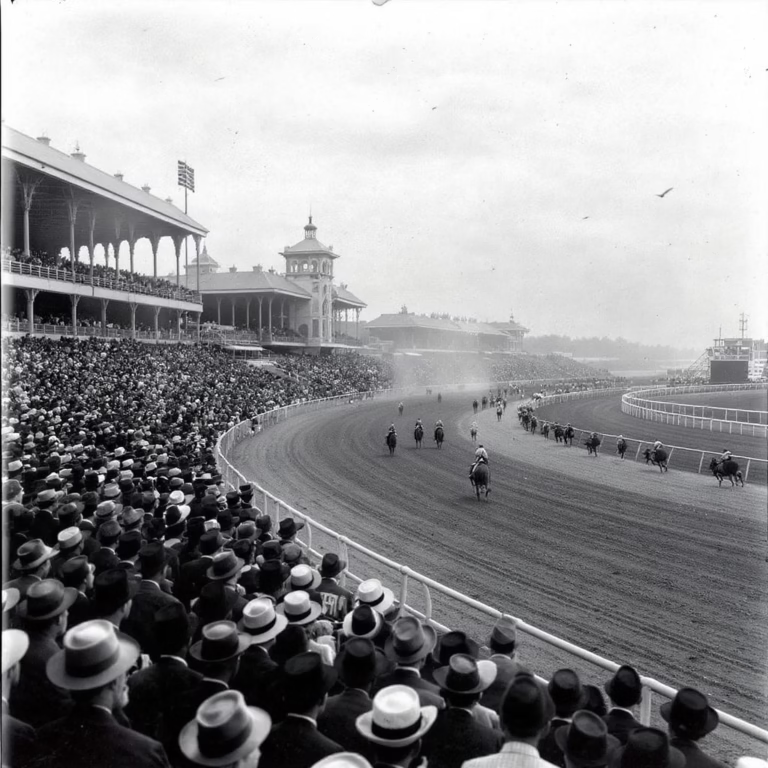
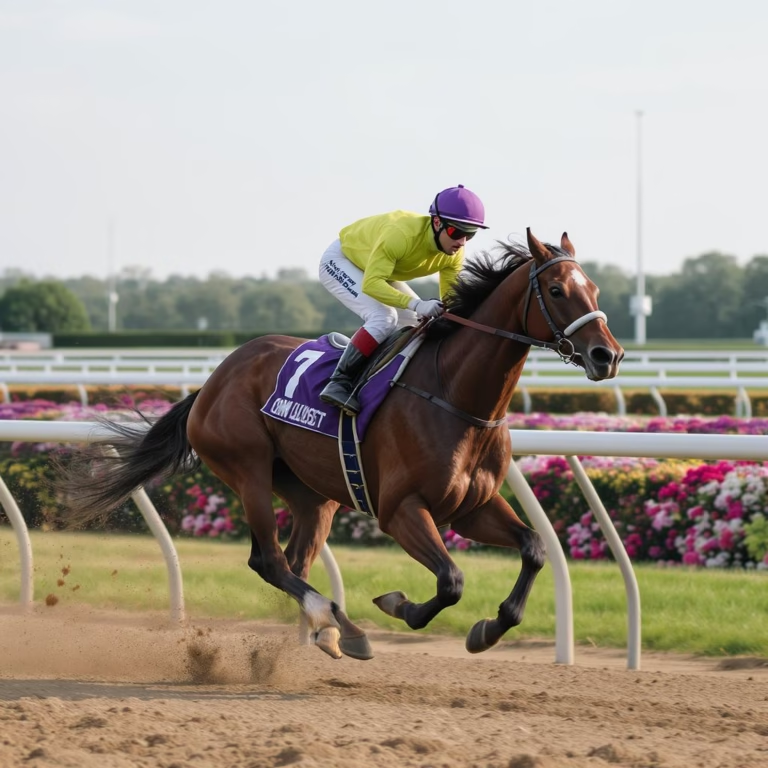
It’s impossible to know precisely when organized horse racing first began. We know that horse racing was part of the Olympic Games in Greece as early as 700 BC.
Those magical numbers handicappers use (whether they admit it or not) to rank horses in a summary fashion. There are a variety to choose from but the big ones are Beyer, Bris, and TimeformUS.
It’s called the “hidden fraction” because it is not clearly evident in horse racing past performances data. Many believe it’s the most important datapoint in the data.
A 2015 study shows that the running performance of Thoroughbred racehorses peaks around the beginning of their fourth year. The report's results matched previous results that studied horses in the United States, Brazil, and Japan.
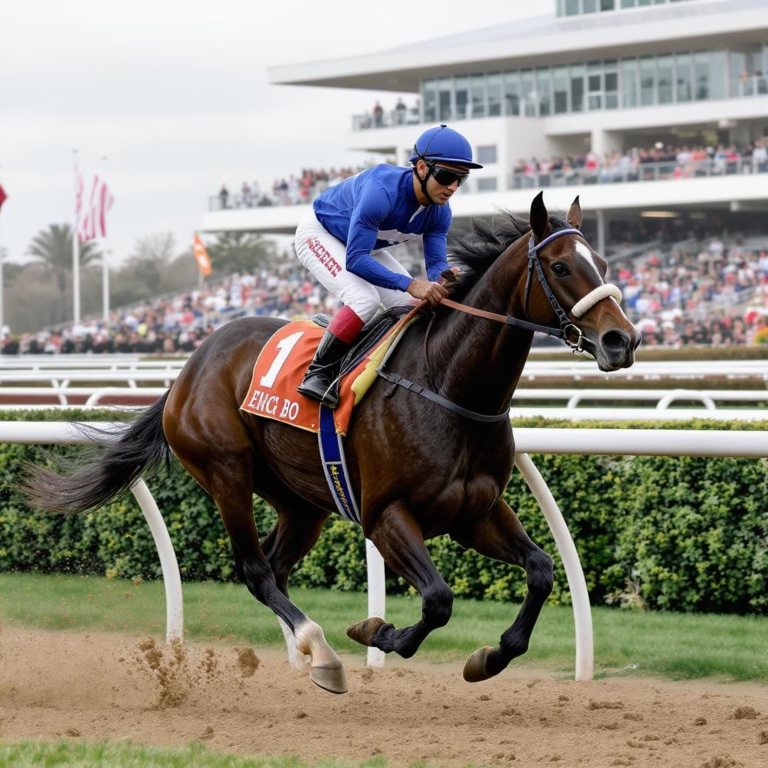
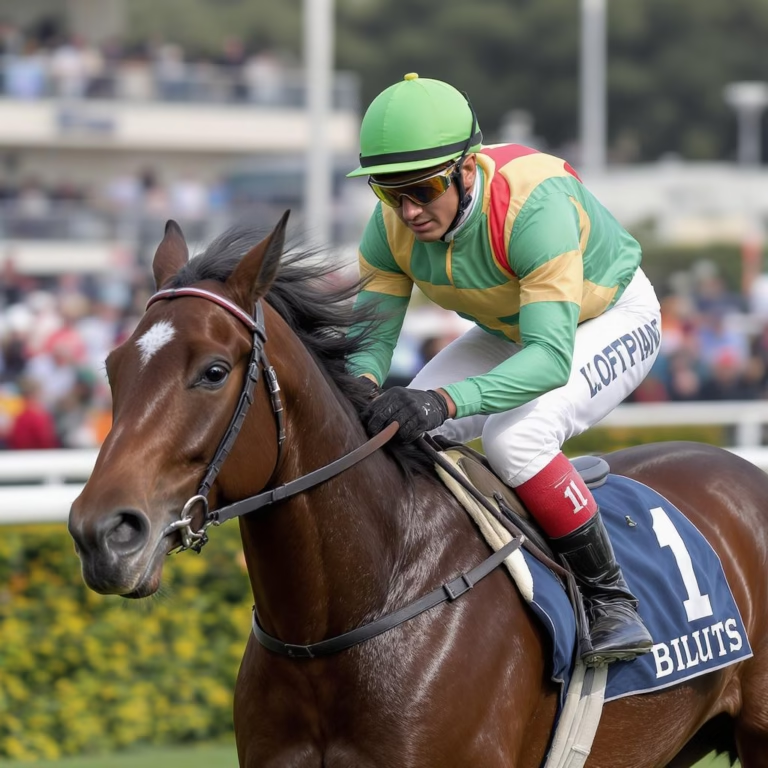
Does the jockey's role matter in horse racing? Yes, but only slightly. Horse-racing enthusiasts often claim that a jockey contributes 10 percent of a horse's performance on any given day. Although this isn't a scientific fact, it emphasizes a jockey's role: while they can't significantly improve
The subjectivity of time in relation to racehorses lies in the fact that it only measures the speed of the horse, not the manner of its travel. Workout timings add to the complexity because we do not know the trainers intent and cannot be assured the horse is being pushed to its maximum effort.
The underrepresentation of fillies, or young female horses, in horse racing when compared to colts, or young male horses, is a multifaceted issue that primarily stems from certain breeding practices.
Trip handicapping is the process of identifying horses that face difficulties during a race, affecting their final position. These incidents may not be reflected in the Past Performance statistics and can only be identified by watching the race.
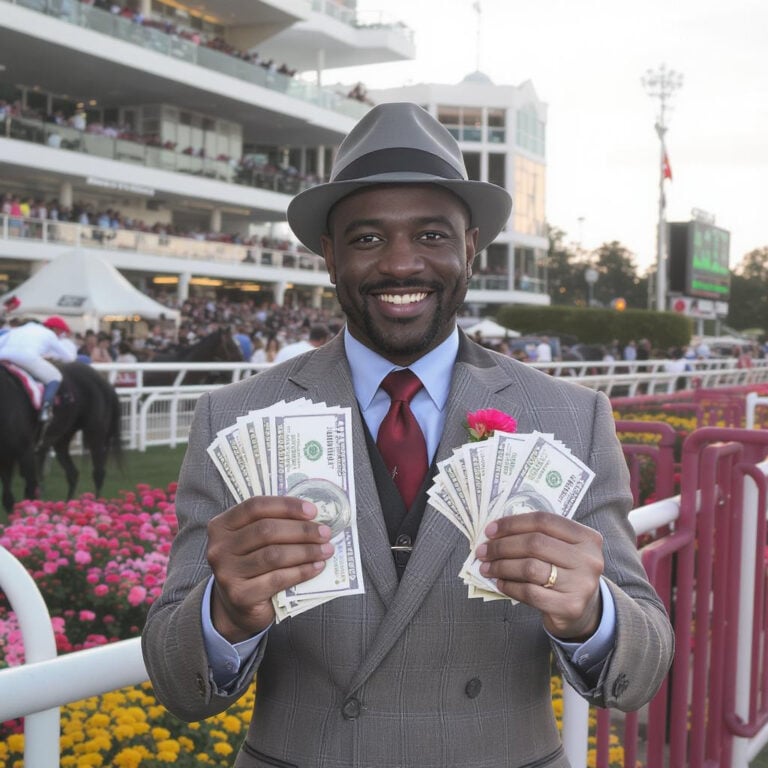
The odds are always stacked in favor of the house, so the chances of losing money are generally higher than the chances of winning over the long term. However, there are people who found ways to "beat the house."