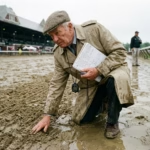
Track Surface & Bias
For a dirt card, the main bias to watch is whether the surface is playing speed-favoring or if moisture has leveled the track enough to help stalkers and mid-pack runners. On a dry, fast configuration, inside and forwardly placed horses usually have the clearest path to the lead and can be hard to reel in; if the surface has sealed moisture or carries some resilience, the edge often shifts slightly toward stalkers who can sit just off the pace and launch on the turn.
At GIL, the practical handicapper's read should center on whether early fractions are being carried or collapsing: when the track is kind to speed, front-runners and inside posts gain the most; when it is fairer, stalkers become the most reliable profile, with closers needing a stronger pace setup to threaten.
Handicapper’s Edge
Treat the first two dirt races as the best bias indicator and adjust quickly if the winners are all coming from similar trip types. If speed is holding, upgrade horses with natural early foot and favorable draw; if the lane is finishing strongly, give more credit to runners with sustained late kick and less dependence on the lead.