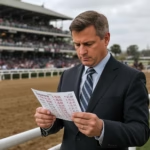
Turf Paradise has reopened its backside, but the more consequential question in Phoenix is whether the track can restore the wagering infrastructure and operational stability required to stage its scheduled 80-day meet beginning Nov. 27.
The immediate regulatory obstacle is Skyfall 7's suspended teletrack wagering permit, which covers simulcast betting at the track and at off-track betting locations. In its Oct. 16 suspension notice, Arizona Department of Gaming racing director Shannon Nelson cited the operator's loss of access to the property, the absence of a contingency plan for cashing pari-mutuel tickets, inadequate staffing and the shutdown of additional wagering outlets after the Oct. 10 lockout. The matter is set for an Arizona Racing Commission hearing Nov. 19, only eight days before opening day, according to Thoroughbred Daily News.
An arbitrator subsequently allowed Gary Hartunian's Skyfall 7 operation back onto the property, but that ruling did not automatically restore the wagering permit. At least 36 OTB locations remained closed as of the latest reporting, creating a potentially significant hole in the purse account. The Arizona Horsemen's Benevolent and Protective Association has warned that the stoppage could cost horsemen roughly $1 million if it continues, a figure reported by the Paulick Report.
The horse supply is improving, though it is not yet a reliable guarantee of a full meet. Trainer Valorie Lund brought the first six horses back to the stable area after it reopened and said 30 more horses were being held at a nearby farm after arriving from Minnesota. Lund told Horse Racing Nation that workers were preparing stalls, the backside looked better than it had in years and the turf course appeared ready, while the smaller training track was expected to open first.
That distinction matters to horsemen. A handful of arrivals can demonstrate good faith, but a functioning winter circuit requires enough horses to fill multiple daily races, maintain competitive fields and support the purse schedule promised to owners. Until the main dirt course is cleared for training and the HISA-related surface inspection is completed, trainers face a practical choice between shipping into an uncertain environment and committing their horses elsewhere for the winter.
Management remains another vulnerability. Mike Weiss was identified as the prospective replacement for former general manager Tom Ludt, whose Oct. 1 resignation was followed by the departure of several senior staff members. Weiss's appointment still required formal approval, while two veterinarians had also left and replacements had not been publicly identified. The latest track report said remaining personnel included track superintendent Travis Denny, horsemen's bookkeeper Debra Ferguson, clubhouse manager Connie Hone and racing secretary Robert Junk.
The financial dispute between Hartunian and property owner Jerry Simms adds pressure to every deadline. Ludt told TDN that millions of dollars in bills were overdue, while Hartunian has disputed that account and said Skyfall 7 spent heavily on repairs and improvements. Neither side's competing claims resolves the operational test now facing the track: vendors, regulators, horsemen and bettors need confidence that payroll, safety services, racing officials, simulcast signals and purse money will be in place before the first entries are taken.
For now, the Nov. 27 date remains on the calendar, but the sequence is unforgiving. The stable area must remain open, training must resume, the racing surfaces must pass inspection, the operator must rebuild its staff and Arizona regulators must decide whether wagering can resume. With the key permit hearing scheduled just eight days before opening day, Turf Paradise is not merely preparing for a race meet; it is trying to prove that the business supporting one can function again.